
Table of Contents
Backpacking cookware set selection makes or breaks a van life kitchen—whether you’re boiling coffee perched above a Utah canyon, scrambling eggs at sunrise on the Pacific Coast, or cooking dinner after a long hike in the Colorado mountains. After years on the road and trail, I’ve learned exactly why ultralight, multi-use cooking gear matters for both van dwellers and thru hikers, and why the right choice means more epic meals and fewer packing headaches.
Key Takeaways
- Ultralight backpacking cookware sets enable quick, efficient meal prep in cramped van and backpacking spaces, with modern designs packing into just 72-119 cu in.
- Common complaints include dent-prone titanium construction, cleaning difficulties, and limited group capacity—important to know before you buy.
- Top models from TOAKS, MSR, and GSI range from under 4 oz to 8.5 oz, with prices between $15 and $160; the right set depends on your trip style and van kitchen setup needs.
Why Ultralight Cookware is Essential for Van Life and Thru Hiking
Space and weight define every van kitchen and backpacking kit. Ultralight backpacking cookware sets cut the bulk, nest stove and fuel, and reduce packing stress, whether you’re living in a Sprinter or shouldering your gear across the Rockies. A great backpack kitchen kit handles road meals, trail ramen, and morning coffee without hogging storage or tipping the scales.
Camping cookware is only getting more popular: the global camping cookware market hit USD 1.2 billion in 2023 and is projected to grow by 5.6% CAGR through 2030 (Intel Market Research). The surge reflects demand for featherweight gear that bridges the gap between van life home-style cooking and the stripped-down needs of a thru hike. I’ve seen everything from titanium mugs to modular pan sets—each with key trade-offs for solo trekkers and van couples alike.
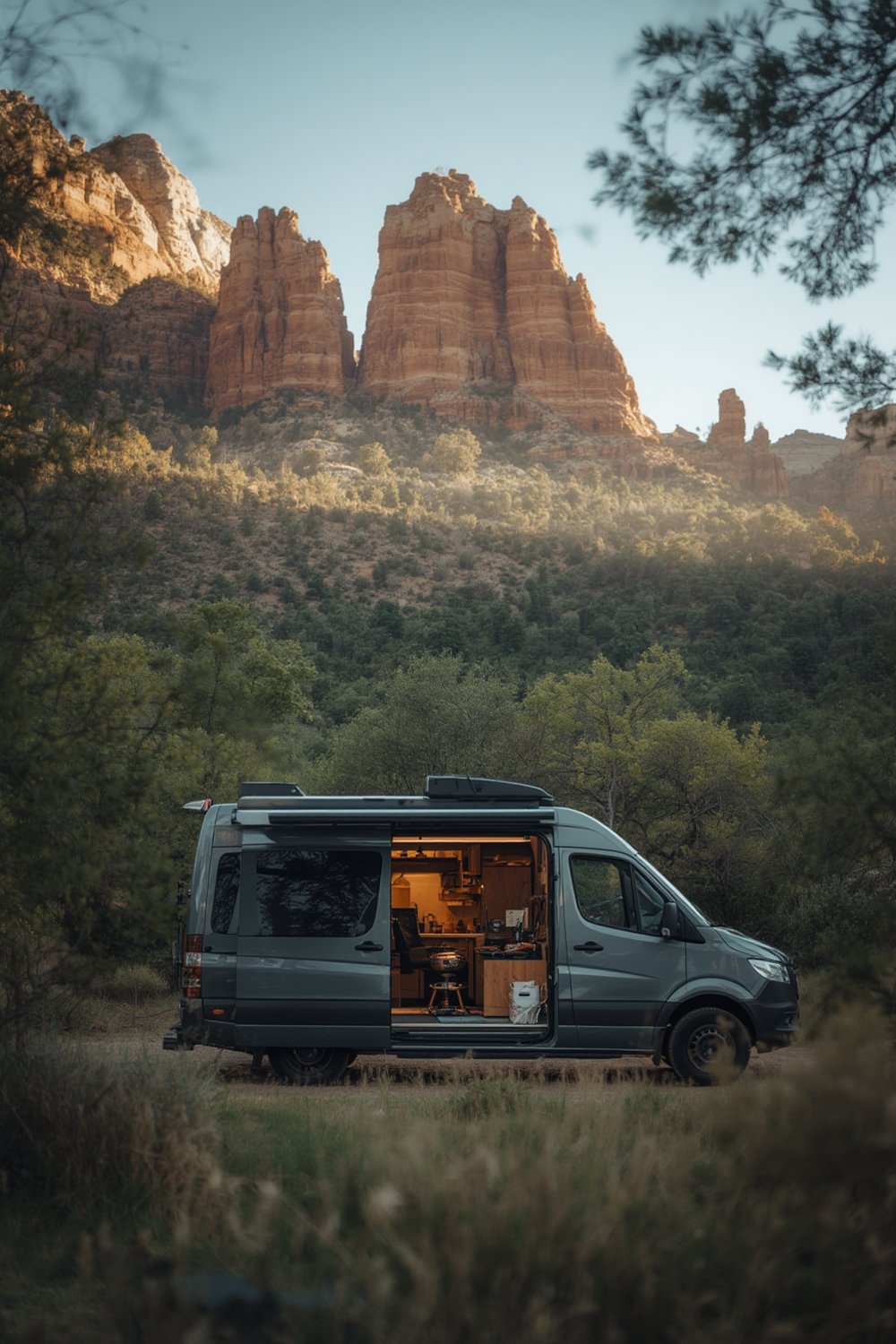
What makes ultralight cookware different? The focus is on maximum utility in minimum space. Sets typically feature:
- Titanium or hard-anodized aluminum construction (as light as 3.6 oz).
- Nesting designs—pots fit stoves and even gas canisters inside.
- Multi-fuel compatibility for on-trail and van use.
- Simple locking handles and straightforward lids to save weight and bulk.
This all translates to real world convenience—no more digging through bulky 5-piece kitchen sets, whether you’re on a weekend getaway or a months-long cross-country trek. Want a broader look at van kitchen gear? Don’t miss my camp cookware for van life guide for more tips on building an efficient mobile kitchen.
Step-by-Step Guide to Choosing and Using Backpacking Cookware Sets
Over the years I’ve dialed in my backpacking cookware set for both trail and van life. Here’s exactly how to pick and actually use your kit:
- Identify your cooking style. Are you mainly boiling water for dehydrated meals, or making one-pot recipes and real breakfasts? Boiling needs a single small pot; frying or simmering means you’ll want a set with a pan or a bigger base.
- Pick your size and capacity. For solo trips or van life meals for one, 0.75-1L pots (think TOAKS 750mL or MSR Trail Mini Solo) are the sweet spot. For two people, stretch to a 1-1.3L set. Too big = wasted weight and fuel; too small = cooking in frustrating batches.
- Choose your material.
- Titanium: Lightest (down to 3.6oz), but can dent and food sticks without oil. Best for boil-only use.
- Hard-anodized aluminum: Slightly heavier, far less prone to dents, sometimes with non-stick coatings (like GSI Halulite, Sea to Summit Frontier).
- Look for nesting and stowage. The best trail cooking sets fit your stove and 4oz (or even 8oz) fuel inside the pot. Check measurements: most ultralight kits use only 72-119 cu in packed space, making them perfect for van cabinets and hiking packs alike.
- Test fuel compatibility. If you switch between a canister stove and a wood/alcohol burner (see canister stove vs alcohol stove), prioritize sets without non-stick coatings or plastic handles. Titanium and straight aluminum play nice with multiple fuel types.
- Packing & trail use. Pop your lighter, mini sponge, and a small bottle of soap inside the pot. Use a stuff sack or bandana to reduce rattle—nothing’s worse than a clanky kitchen kit after a full day hiking.
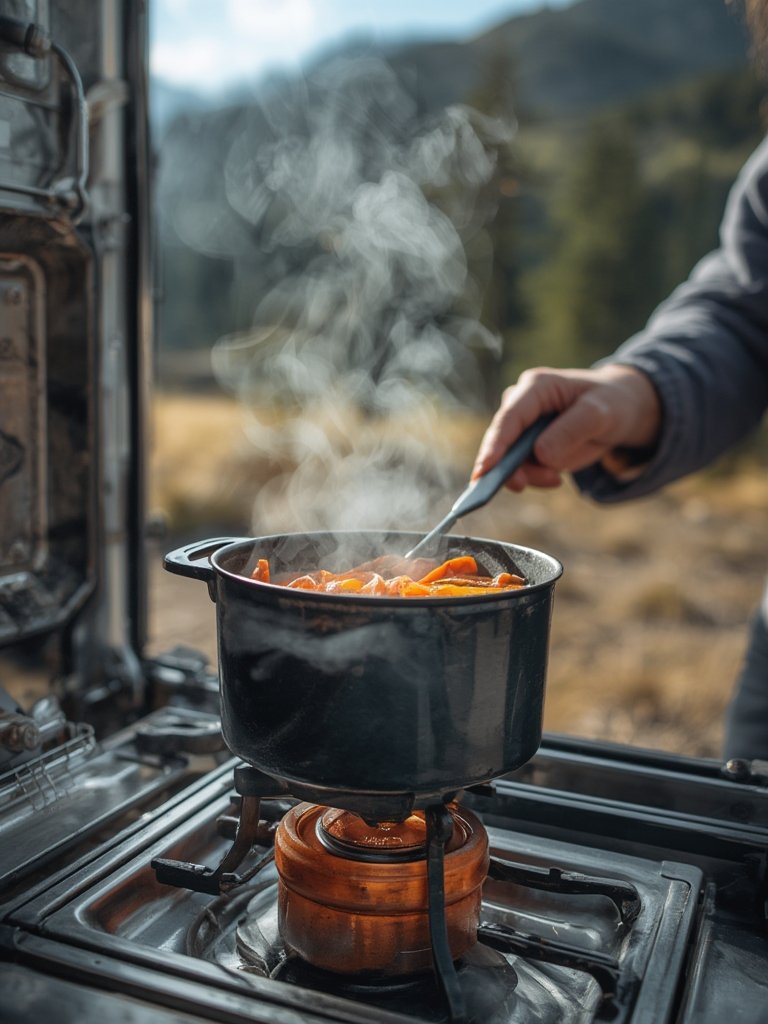
- Always test your full kit before a trip. This means boiling water, making tea, and actually cooking one “real” meal in your cookware—preferably outside your van or on your porch.
- Consider your fuel efficiency. A 4oz canister lasts up to 5 days for solo boiling. If you plan lots of one-pot meals, check your stove’s average fuel consumption—every ounce matters on longer treks or lean van supply windows.
- Need a new camp stove? My best backpacking stove guide details the lightest and most fuel-efficient picks for van and trail cooks.
Advanced Analysis & Common Pitfalls
Even the most hyped backpacking cookware set isn’t perfect for every kitchen-on-wheels or wilderness hike. After hands-on trials and combing through reviews on Amazon, Reddit, and expert sources including CleverHiker’s backpacking cookware roundup, here’s what you need to know:
| Brand/Model | Weight (oz) | Price | Material | Capacity |
|---|---|---|---|---|
| TOAKS Titanium 750mL | 3.6–4.1 | $26 | Titanium | 0.75L |
| MSR Trail Mini Solo | ~4–5 | $50 | Aluminum | 0.75–1L |
| GSI Halulite Boiler | 6.1–8.5 | $30–40 | Aluminum | 0.9–1.3L |
| Evernew Titanium Pasta Pot | 4.4 | $68 | Titanium | 1L |
| Sea to Summit Frontier 1.3L | 7.3 | $65 | Aluminum | 1.3L |
- Durability trade-offs: Most ultralight titanium pots (TOAKS, Evernew) dent easily if dropped or packed against hard gear. Aluminum (MSR, GSI) is bulkier, but better for regular van life use with less fear of rough roads or trail mishaps.
- Cleaning issues: Ultra-minimal kits rarely have non-stick coatings. Food sticking is the norm—especially for eggs or oatmeal. Scrubbing on the trail without a well is tough, and many users on Reddit mention residue build-up after one-pot pasta nights.
- Capacity concerns: Sets under 1L serve one, maybe two (think real world, not just packaging claims). Cooking for more? You need either a larger kit or separate group-sized van cookware. Compare this with bulkier traditional kitchen sets in my van-specific cookware review.
- Fuel limits: Some non-stick or plastic-handled pots can’t be used on open flame (wood or alcohol). If you plan on cooking with different stoves (see butane vs propane camp stove), opt for uncoated titanium or anodized aluminum.
- Measurement markings: Surprisingly few sets have visible inside measurements. This is a pain for portioning freeze-dried meals or coffee—with experience, you’ll eyeball it, but expect a learning curve.
Price ranges are significant—from $15 for basic aluminum to $160 for high-end titanium. 99Boulders’ field tests reinforce this: titanium wins for serious weight savings, but aluminum and new non-stick models (GSI, Sea to Summit) deliver better value and headache-free cooking for van dwellers who enjoy more diverse meals.
Want a nonstick option for quick breakfasts? See my hands-on look at collapsible and nonstick camping pans. If you need ultra-compact bowls, check this foldable camping bowl guide—trust me, it will upgrade your whole food system.
Conclusion & Recommendations
Ultralight cookware isn’t just for elite hikers—it’s rapidly becoming the van lifer’s secret weapon for a flexible, minimalist kitchen. Titanium pots like the lightest for solo use are unbeatable for pure weight savings when backpacking, but slightly heavier aluminum options such as the MSR Trail Mini Solo or GSI Halulite Boiler offer easy cleaning and more stability in a moving van. Nesting designs and multi-fuel compatibility keep your space organized and your meals diverse, whether you’re solo in the wild or weekending with friends on the road.
In the end, investing in a quality backpacking cookware set pays off every time you reach for a fast boil or need a dinner for two in your rolling kitchen. If you want to streamline your kit and avoid overpacking bulky kitchenware, I highly recommend checking out these top picks on Amazon:
Every order using our links supports more field tests and real advice for van life and trail cooking. Choose your set wisely and make your next cookout—wherever you park—lighter, easier, and just more fun.
Frequently Asked Questions
What is the best ultralight cookware for hiking and van life?
If you need the absolute lightest for solo use, the TOAKS Titanium 750mL Pot is hard to beat for weight and packability. For a balance of easy cleaning and nesting extras, the MSR Trail Mini Solo or GSI Halulite Boiler stand out. Always match the capacity to your usual group size and cooking style for best results.
How do ultralight backpacking sets compare to traditional van kitchen kits?
Ultralight sets (usually 0.75–1.3L pots under 8oz) are much more compact and suited to 1–2 people. Traditional van kits are bulkier but better for group meals and more elaborate recipes. For weekend getaways, some van cooks combine one ultralight set with a larger group pan.
What materials are best for durability in backpacking cookware?
Aluminum is less likely to dent and easier to clean, ideal for frequent van use. Titanium is lighter but softer—great for backpacking, but pack it carefully to avoid permanent dings. Stainless steel is rarely used due to weight.
Can I use ultralight cookware for group camping?
Most ultralight cooking sets are sized for one or two people. If you’re feeding more, bring a larger group pot or two smaller sets. For van life, it’s common to keep a lightweight backup for hiking, plus a bigger pan for group meals.
How do I clean ultralight cookware in the field?
Use a small silicone sponge or bandana, a minimal amount of soap, and a splash of hot water. For stuck food, let it soak briefly or “steam clean” by boiling a little water with the lid on. Always dispose of soap water well away from streams or lakes.
—