

Table of Contents
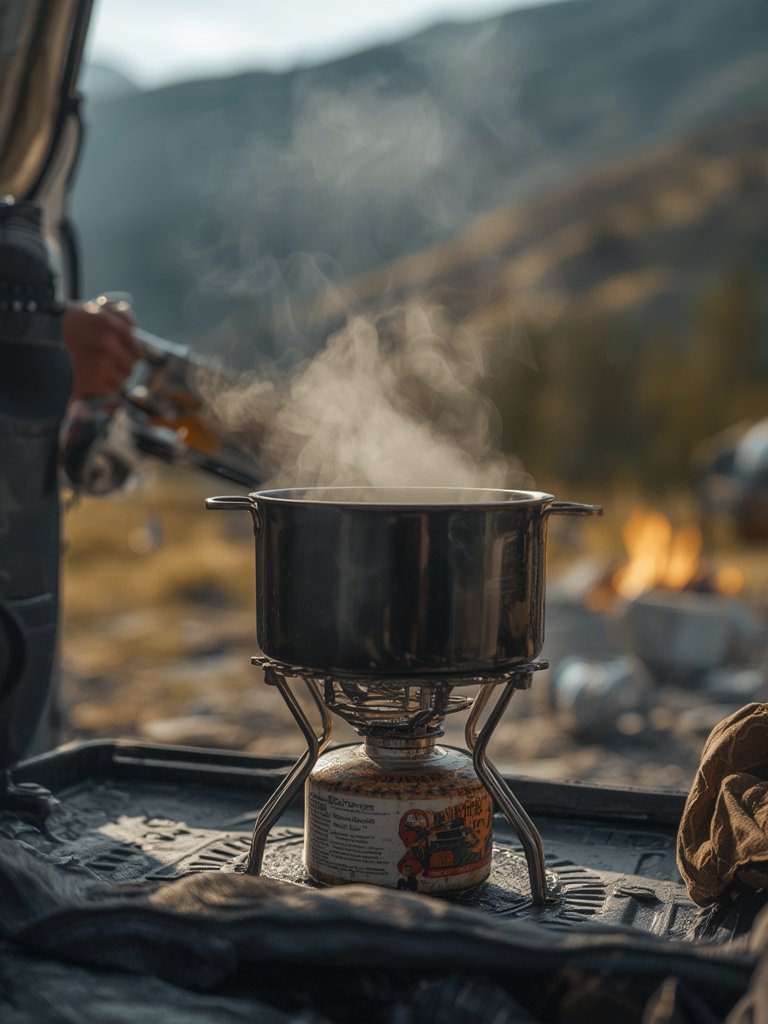
Canister stove vs alcohol stove: Picture this—you’re parked along the red cliffs of a Utah canyon. The wind’s howling outside, but you’re hungry and ready for a hot meal in your camper van. What’s the safest, most practical gear for making coffee and dinner in these tight quarters: a classic canister stove, or the time-tested alcohol burner? I’ve cooked everywhere from the foggy Pacific Coast to the frosty Colorado mountains, and choosing the right camp kitchen setup is crucial for safety, comfort, and peace of mind. Let’s break down the real-life pros and cons of the canister stove vs alcohol stove debate for van lifers and backpackers so you can cook smart, stay safe, and never end up cold and hungry in your home on wheels.
Key Takeaways
- Canister stoves lead the market for reliable indoor cooking in van life, but fuel storage and leak management are critical concerns.
- Alcohol stoves win for simplicity and universal fuel, but struggle with cold performance and indoor air quality.
- Sustainability and field repairability are often overlooked but matter for long-term van dwellers or international travelers.
Understanding Canister Stoves vs. Alcohol Stoves
The canister stove vs alcohol stove debate starts with fuel. Canister stoves use pressurized gas (usually isobutane or propane blends) while alcohol stoves use liquid fuels like denatured ethanol or methanol. Both are portable, compact options favored by backpackers and van dwellers. Yet, each has strategic tradeoffs for real-world, small-space living:
- Fuel Type: Canister stoves require pre-filled gas canisters. Alcohol stoves run on cheap, widely available liquid alcohol.
- Reliability: Canister systems ignite easily, simmer well, and perform better in cold weather—whereas alcohol stoves are weather-sensitive but fixable with basic tools.
- Suitability: For backpacking, the canister stove vs alcohol stove choice comes down to weight and boil speed versus simplicity and universal fuel access.
Globally, canister stoves dominate, with sales expected to reach $11.92 billion in 2025 (Archive Market Research). At the same time, alcohol stoves carve out a niche among ultralight fans and those who value fuel flexibility.
Choosing the Right Stove for Van Life
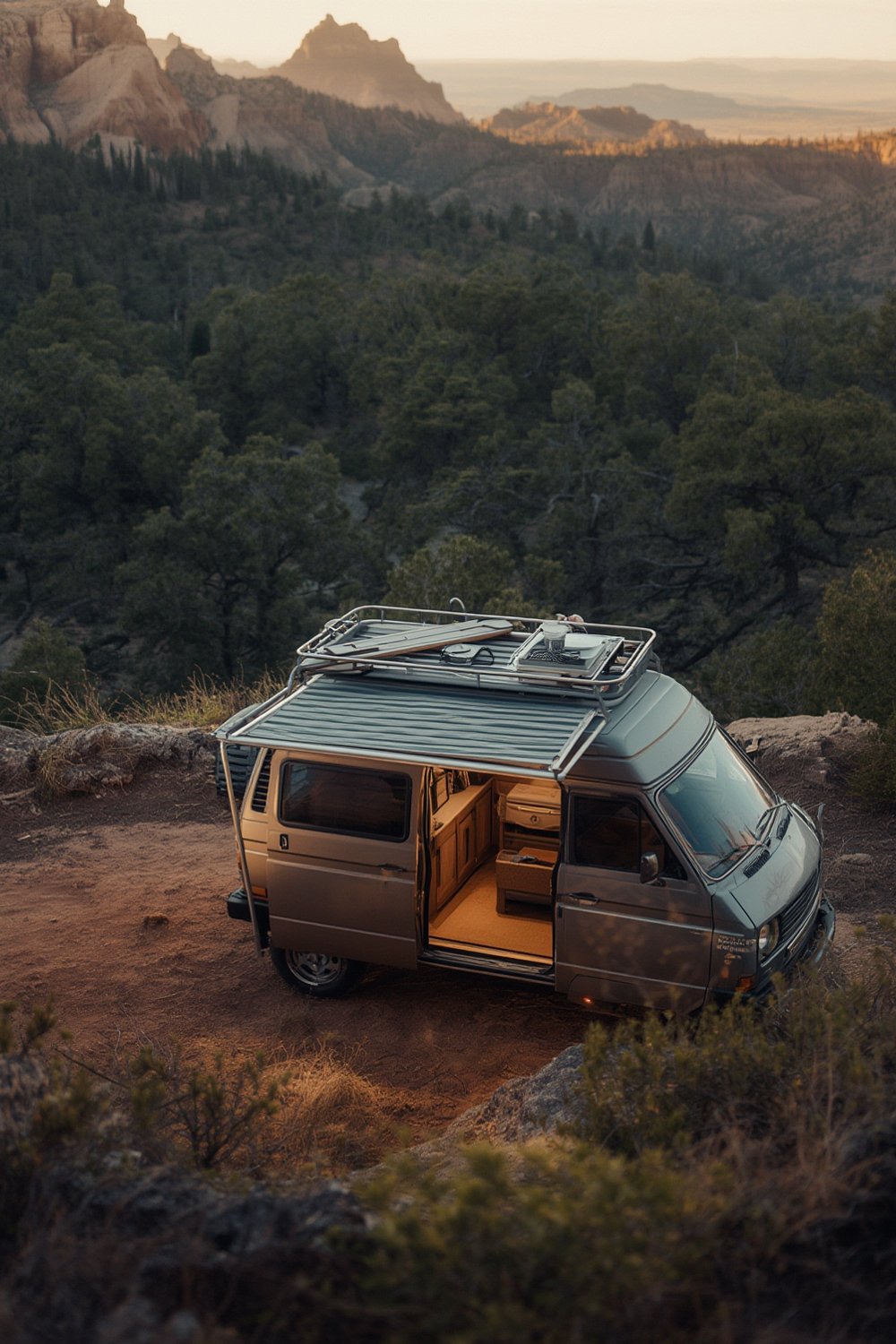
When comparing a canister stove vs alcohol stove for van life, cooking inside a van isn’t the same as a breezy picnic table—indoor air quality, safe storage, and usability matter most. From experience, here’s how each stove type stacks up:
- Canister stoves offer instant flame control and fast boiling. With a stable base, they’re safe to use if you ventilate the van well. Leaks are rare but not impossible; always store canisters upright and away from direct sunlight.
- Alcohol stoves are unbeatable for simplicity. Liquid fuel bottles are less prone to dangerous leaks, but open flames make ventilation and fire safety harder indoors. Alcohol fumes can quickly become overpowering in confined van spaces.
- Managing space means choosing a stove with a small footprint. Canister stoves typically pack down tighter, though you’ll need canister storage. Alcohol setups can be assembled from DIY parts in a pinch.
For van life specifically, canister stoves are the safer and more practical choice for indoor cooking—but always ensure proper ventilation regardless of which stove you pick (SNS Insider).
Performance Comparison of Leading Models
To compare the canister stove vs alcohol stove properly, here are the numbers on the most popular stoves for campers and van dwellers. Notice the difference in weight, boil times, and how materials impact durability for life on the road:
| Feature | Jetboil Flash (Canister) | MSR PocketRocket (Canister) | Trangia Alcohol Stove | Evernew Alcohol Stove |
|---|---|---|---|---|
| Weight (oz) | 13.1* (full system) | 2.6 | 4.0 | 1.4 |
| Boil Time (1L) | 3.5 min | 3.5 min | 8 min | 6-8 min |
| BTU Output | 9,000 | 8,200 | ~6,700 | ~5,000 |
| Material | Aluminum/Titanium | Titanium/Aluminum | Brass/Aluminum | Titanium |
| Avg. Price | $110-$130 | $50-$60 | $30-$40 | $60-$70 |
*Full integrated Jetboil system includes pot and cozy.
Across categories, canister stoves typically weigh 2.2-3.5 oz and boil a liter in 2–3.5 minutes. Alcohol burners are lighter (1.4–2.8 oz) but take 5–8 minutes to boil—especially slow in wind or cold weather (360iResearch). Titanium options save weight, but cost more up front.
User Complaints and Considerations
No stove is perfect. Here’s what actual van lifers and backpackers say about the canister stove vs alcohol stove choice in real conditions:
- Canister stoves can lose pressure in cold weather unless you use a propane blend. Users hate the occasional leaky seal or tricky canister disposal, especially in remote zones.
- Alcohol stoves get called out for slow heating and unpredictable flames. Some hikers and van folks complain of poor simmer control, spilled fuel, and fume build-up during rainy indoor cook sessions.
- In very cold weather, alcohol stove performance drops dramatically unless you warm or prime the burner first.
- Fuel availability is a mixed bag. Canister sizes and blends aren’t always easy to find outside North America or Europe. Alcohol fuel (HEET, denatured ethanol) is sold everywhere, but purity and performance can vary.
If you anticipate winter travel, the efficiency and reliability of a canister stove matters most. For multi-country trips or off-grid adventures, an alcohol stove might be the better fallback.

Underserved Sub-Topics in Current Reviews
Most mainstream reviews ignore nuanced, practical issues that matter to serious van dwellers choosing between a canister stove vs alcohol stove:
- Fuel sustainability is barely discussed—canister waste is mounting, and although alcohol can be renewable (bio-ethanol), this is rarely highlighted in standard reviews.
- International fuel access is a real pain. Compatible canisters can be hard to find in the Balkans and South America, but denatured alcohol is almost always an option, even if it sometimes burns smokier.
- Field-repairability: Piezo igniters on canister models often fail and can’t be fixed on the road. Alcohol stoves can usually be repaired or improvised from spare parts at any hardware store.
From a sustainability angle, alcohol’s renewability and low-tech repairability might give it the edge for long-term travelers. See a deeper dive into propane options in our propane camp stove reviews.
Product Comparison: Top Picks for Van Dwellers
Here’s a quick look at trusted models for the canister stove vs alcohol stove comparison, with their main advantages and weaknesses for van life:
- Jetboil Flash Canister Stove
- Best for: Speed and efficiency
- Pros: incredibly fast boil times, all-in-one design minimizes van clutter
- Cons: Pricey for beginners or casual campers
- Check price on Amazon
- MSR PocketRocket 2 Canister Stove
- Best for: Ultralight backpacking, basic van life
- Pros: minimal weight, fits in your palm
- Cons: Fuel canisters sometimes hard to find, best for shorter trips
- Check price on Amazon
- Trangia Spirit Burner Alcohol Stove
- Best for: Simplicity, field repair, reliable alcohol burning
- Pros: Great for long, slow simmers, easy to repair or replace
- Cons: Long boil times—patience required
- Check price on Amazon
- Evernew Titanium Alcohol Stove
- Best for: Ultralight backpacking, minimalist van travelers
- Pros: Staggeringly light, packs almost anywhere
- Cons: Struggles with wind and cold, takes practice
- Check price on Amazon
Top canister stoves generally range $50–200, while alcohol stoves sit between $20–80. Explore more options in our camp stove for van life guide for deeper picks.
Backpackers might also want the right backpacking cookware set to match their stove.
And keep your mornings bright with our favorite best mug for van life—because the camp kitchen isn’t just about dinner, but everyday comfort on the road.
FAQs
How do canister stoves perform in cold weather conditions?
Performance drops with pure butane below 32°F (0°C). Choose isobutane-propane blends or keep the canister warm in your sleeping bag for reliable ignition during chilly mornings. This is one key advantage canister stoves have in the canister stove vs alcohol stove debate.
Are alcohol stoves safe for indoor use in a van?
Generally, no—open flames and alcohol vapors increase fire and fume risks in tight spaces. If you must, ventilate aggressively and never leave the stove unattended. Canister stoves with proper ventilation are usually safer inside vans.
How do I manage fuel storage for my camping stove effectively?
Store gas canisters upright, cool, and out of direct sunlight. For alcohol, use leak-proof containers away from your bed. Always check seals and avoid stowing near heat sources.
Which stove type is more environmentally friendly?
Alcohol stoves generate less non-biodegradable waste and can use bio-ethanol, making them more sustainable long term. However, canister stoves burn more efficiently, and recycling programs are growing for empty canisters.
What should I look for in a camping stove for van life?
Prioritize reliable cold weather performance, ease of storage, safety features, and fuel availability. A stable base, precise simmer control, and proven indoor use record are big pluses when deciding canister stove vs alcohol stove for your setup.
Conclusion
The canister stove vs alcohol stove debate doesn’t have a single winner—it depends entirely on your van life style. Canister stoves are unbeatable for fast, easy meals and reliable performance in most climates. The biggest catches are canister storage, supply, and safe venting inside a van. Alcohol stoves win for simplicity, repairability, and worldwide fuel availability, but you’ll sacrifice speed and indoor air quality.
Weigh your needs honestly. If you want speed and reliability for everyday van life cooking, go canister. If you’re a minimalist traveler on long international trips, alcohol gives you more flexibility. When in doubt, start with a proven canister pick and test alcohol stoves for more remote adventures.
Ready to choose? Check out the Jetboil Flash on Amazon for fast boil times and trusted van life reliability!