

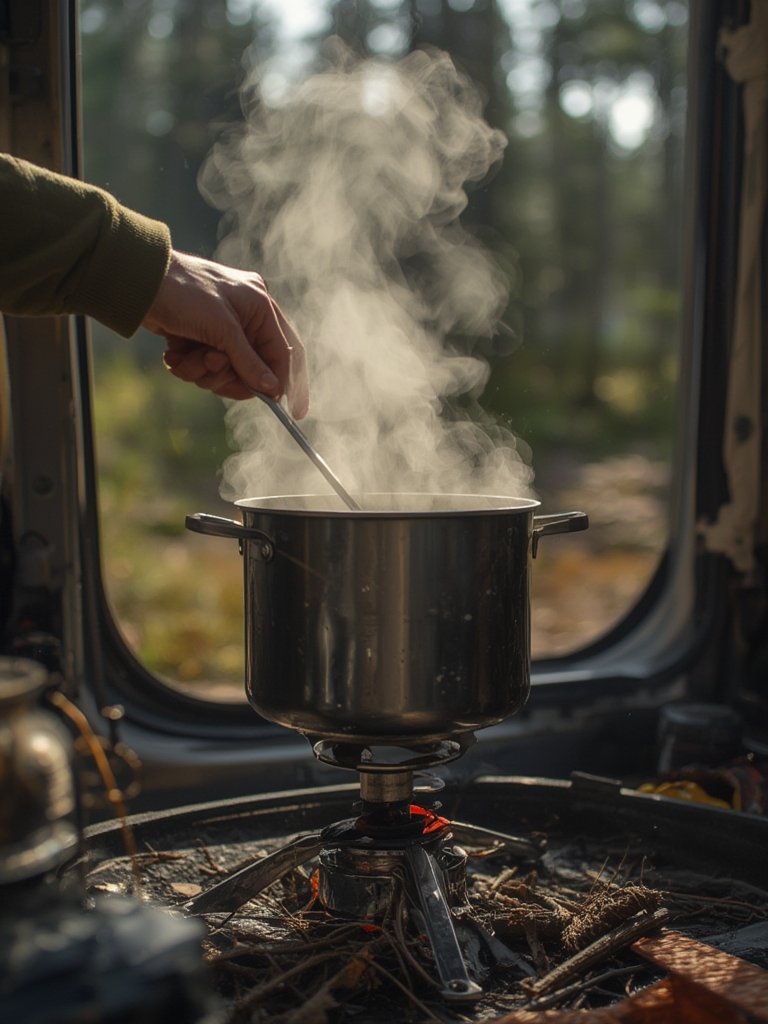
Butane vs propane camp stove—if you’re standing in your van outside a Utah canyon in shoulder season, this is the gear decision that can make or break your meal. I’ve been there: morning frost on the windows, nowhere to run except straight into your tiny kitchen nook. Whether you’re a full-time van dweller or a weekend wanderer with a stash of ramen and gourmet coffee, the choice of camp stove fuel decides how efficiently, safely, and comfortably you eat on the road. Let’s break down what works for real van life, from the Pacific fog to the Rockies chill, and share the honest trade-offs no one warns you about until you’re halfway up to Telluride.
Table of Contents
Key Takeaways
- Butane is compact, lightweight, and affordable for short trips, but fails in the cold and must always be used with proper ventilation indoors.
- Propane shines in cold and high-elevation van life, with refillable bottles and greater fuel availability—at the expense of extra weight and bulk.
- Your ideal camp stove is shaped by how long you travel, where you park, how you cook, and how much space you can spare on the road.
Fuel Type Showdown: Butane vs. Propane
So, what really separates a butane vs propane camp stove when you’re living or cooking out of your van? Both fuels power thousands of quick breakfasts and fireside dinners across campsites and wild pull-outs, but each brings its own strengths and quirks. Butane stoves are popular for their lower price and compact, lightweight design—think $25-60 per unit and canisters that slide easily in a storage bin. If sunrise coffee on the Oregon coast or hiking lunch in Big Bend is your style, butane does the trick, especially in mild weather.

propane shines in cold mornings in the Rockies or high-altitude nights outside the Grand Canyon. Thanks to a higher vapor pressure, propane stoves fire up reliably when temps hit freezing or you’re camping at elevation. That’s why 58% of van lifers choose refillable propane cylinders according to market data. They’re bulkier and cost more up front, but when the snow starts or you need hot stew fast, propane delivers steady heat at 10,000-15,000 BTU. For safe, repeatable indoor cooking with proper venting, propane is your best friend.
Butane remains unbeatable for weight-sensitive trips and warm climates. Globally, portable butane stove sales keep growing, especially in the US and Asia according to industry research. Still, for all-weather van life or whenever temperatures swing low, propane is the reliable backbone of your kitchen on wheels.
User Complaints: Real Struggles in the Field
Online reviews and van forums are full of honest, sometimes brutal, user stories you rarely see on product pages. Here’s what comes up most often:
Cold-weather failure: Butane stoves just don’t cut it below 32°F (0°C)—the gas stops vaporizing, leading to weak flames or total failure. Weekend campers I met last March near Moab scrambled to reheat dinner on a single-burner butane stove, only to end up eating cold soup when the temp dropped to twenty-eight. If you’re aiming for late fall mountain trips, propane is the safer bet.
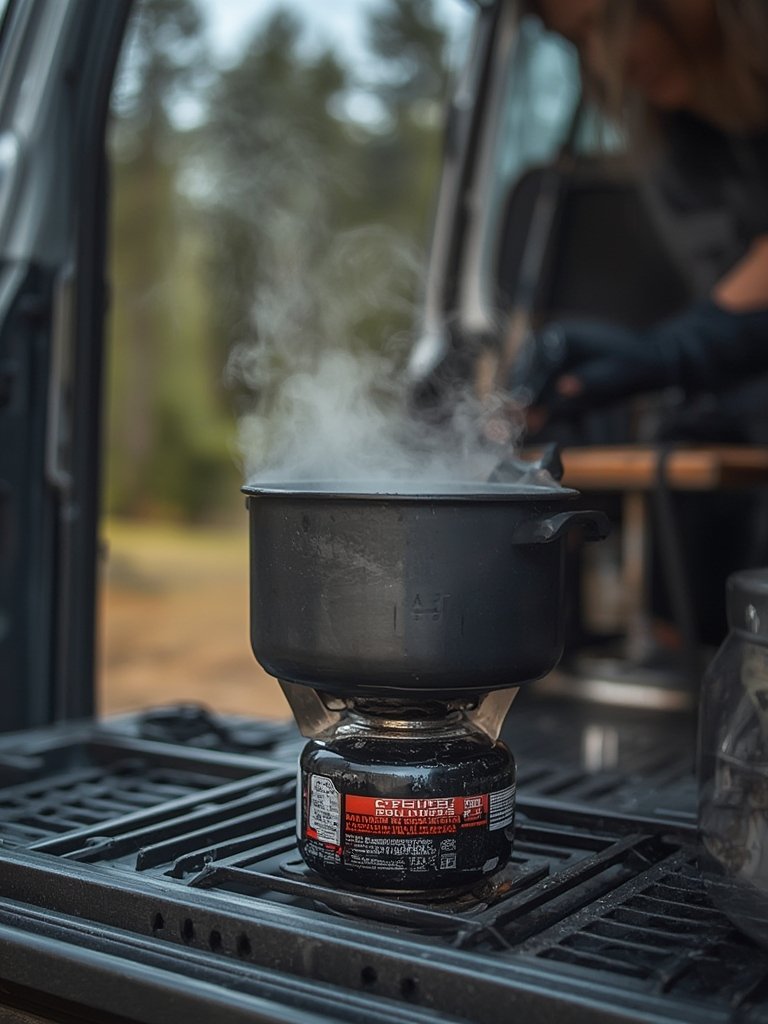
Canister reliability issues: Butane connections are more prone to leaking in the wind or after repeated use. I’ve seen canisters that hiss when nudged—a nerve-wracking prospect inside a van. On the other hand, isobutane canisters score points for weight and efficiency, but adapter threads sometimes fail, especially when switching between brands. Tread carefully and check connections before every cook.
Ventilation & CO risk: Butane and propane both create carbon monoxide, but butane is more sensitive to airflow and temperature. In van life groups on Reddit, people have reported headaches and grogginess after poorly vented indoor cooking sessions. No fuel is totally safe indoors without ventilation, but propane stoves with proper regulators and vent fans are generally considered less risky.
For a real-world comparison of dual-burner propane stoves and outdoor cooking reliability, check out our full propane camp stove reviews—it’s where I go for honest, field-tested recommendations beyond the ad copy.
Essential Features for Van Life Cooking
What makes a camp stove truly “van life ready”? After years swapping gear and hearing dozens of van dwellers compare notes, these four qualities matter most:
- Weight & storage: If space is tight, a 2-lb butane stove is a game-changer for solo weekends. For longer trips or group cooking, propane’s bulk is worth the reliable output—just plan your galley storage ahead.
- Fuel capacity & refillability: Butane is single-use with limited road-side refills. Propane wins for refill stations along major travel routes and the possibility of carrying extra 1-lb or larger tanks (try finding a butane refill in the middle of Colorado!).
- Adapter & canister compatibility: Want to run both propane and butane on the same trip? Many modern stoves offer dual-fuel adapters, but threading can get tricky. Always check manufacturer specs, and know that isobutane blends sometimes fail with third-party valves, according to Data Insights Market research.
- Build durability: Butane stoves tend to feature lightweight stainless steel—great for backpacking, less so for repeated setup in bumpy vans. Propane models more commonly use robust, wind-resistant cast aluminum.
Fun fact: 58% of van life cookers prefer propane refillables. If you’re planning a mobile kitchen for stealth camping, it’s worth looking at compact propane options—see our best picks for camp stoves for van life.
Want an in-depth look at picking the ultimate cookware kit? Explore our backpacking cookware set guide.
Product Comparison: Top Camp Stoves for Van Dwellers
To help you sift through the best options, here’s a quick comparison of top-rated butane and propane stoves commonly used in van life setups. I’ve tested several of these around the PNW and high desert—each brings something unique.
| Product Name | Fuel Type | BTU Output | Packed Weight | Price | Compatibility with Canisters |
|---|---|---|---|---|---|
| Camp Chef Butane | Butane | 7,000-10,000 | 2 lbs | $35 | Standard Butane Canister |
| Coleman Propane | Propane | 10,000-15,000 | 3 lbs | $60 | Standard Propane Cylinder |
| MSR PocketRocket | Iso-Butane | 8,500-12,000 | 0.75 lbs | $50 | Isobutane Canisters |
| Jetboil Flash | Propane | 10,000 | 1.5 lbs | $85 | Jetpower Canisters |
| Etekcity Butane | Butane | 9,000 | 1.8 lbs | $40 | Standard Butane Canister |
Price-wise, butane stoves average $25–60, and propane units fall between $45–90. Butane’s main advantage: lightness and price for solo/lite travel. Propane and isobutane stoves typically justify their price with higher BTU output and better all-weather performance.
For more budget-friendly options and MSR alternatives, check my detailed review of MSR camp stove alternatives.
Advanced Analysis & Common Pitfalls
No camp stove is perfect—or disaster-proof. Here’s what to watch out for when choosing butane, propane, or isobutane-based gear:
- Butane fails in the cold: Expect your butane flame to sputter out below freezing—an unpleasant surprise if you roll into a chilly Utah mesa or a January morning outside Denver.
- CO poisoning risk: Van lifers often ignore ventilation warnings. I’ve met folks in Oregon and California who cooked quick meals in closed rigs and woke up dizzy. Always have a CO alarm and crack those windows wide.
- Fuel availability gaps: Butane canisters are hard to find at remote US gas stations or backroad outfitters—if you run low outside national parks, you might be out of luck. Propane wins for road-trip refills.
- Regulator and connection hiccups: Propane regulators are more reliable but can lose pressure or leak with abuse. Butane adapters sometimes fail after repeated destash/repacking on rough roads.
- Environmental concerns: Butane canisters are rarely recyclable in North America. Isobutane blends are better in Europe (steel cans), but recycling stats lag behind spring 2026 mandates.
For technical readers: efficiency in real van use goes propane > isobutane > butane, with propane outperforming in sub-freezing and above 5,000 ft. No method is “set and forget” when feeding a hungry crew at elevation.

If you’re trying to decide between a classic canister stove or a more minimalist approach, see how the two stack up in canister stove vs alcohol stove comparisons for context before buying.
For hard data on the growth and sales of these fuel types, see the Cognitive Market Research’s butane stove market report, or dive into Strategic Market Research’s deep dive on outdoor camping propane and isobutane.
Conclusion and Call to Action
When it comes to real-world van life, no one-size-fits-all answer wins the butane vs propane camp stove debate. Butane is unbeatable for its lightweight form and affordability on short, warm-weather jaunts, while propane stands out for cold-weather resilience, refill options, and indoor safety with ventilation. Consider how and where you most often travel, what you cook, and how much storage (and patience) you have for swapping canisters mid-trip. Go propane for year-round adventuring or group feasts; stick with butane for stripped-down, solo adventures in mild climates.
Ready to find your perfect camp stove? Check out these trusted options on Amazon and start your journey with confidence!
Still searching for the best van life coffee mug? Peek at our picks for the best mug for van life—because morning brew matters just as much as your stove.
FAQs on Butane and Propane Camp Stoves
What is the best fuel type for high-altitude camping?
Propane is the best because it maintains high vapor pressure at elevations above 5,000 feet and in temperatures below freezing. Isobutane/propane blends are a solid second choice, but plain butane often fails to ignite or maintain pressure at altitude.
How do I ensure proper ventilation when cooking indoors with a camp stove?
Always crack at least two windows, use a roof vent fan if available, and keep a working carbon monoxide detector within your van. Never cook in an entirely sealed vehicle, and take breaks to air out humidity and fumes.
Can I use butane and propane canisters interchangeably?
No, most stoves are designed for one fuel type and specific canisters. Some dual-fuel adapters exist for advanced users, but always check compatibility—and expect minor leaks or pressure trouble when mixing brands or types.
What is the shelf life of butane vs propane canisters?
Propane is very stable and can last for years when stored in a cool, dry place. Butane degrades more quickly, especially above 100°F. For van life, avoid storing butane canisters in hot vans for extended periods.
Are there any safety tips for using camp stoves in a van?
Yes: Always ventilate, use a CO detector, never leave stoves unattended, and routinely check canister seals for leaks. Store fuel canisters upright and away from heat sources. If you ever smell gas or feel unwell, shut everything down and go outside immediately.