
Table of Contents
Camp stove for van life selection can make or break a road trip—trust me, after getting stuck in a Utah canyon with cranky winds and nowhere to stealth-cook, I learned everything the hard way. Whether you’re waking up on the Pacific Coast or grilling dinner in the Colorado mountains, your camp stove is the soul of your mobile kitchen. Let’s cut through the marketing hype and talk about what really matters for safe, compact cooking on the road.
Choosing the right camp stove for van life means balancing safety, portability, and fuel efficiency in a space where every inch matters.
Key Takeaways
- Compact, low-BTU, and multi-fuel camp stoves are safest for van dwellers trying to maximize storage while cooking discreetly.
- Not all “portable” stoves are stealth or van-life-ready—watch out for noisy burners, poor ventilation, and high fuel costs.
- Real-world van life happens in small spaces with real limitations. Prioritize stoves with adjustable flames, physical safety locks, and true dual-use (indoor/outdoor) features.
Understanding the Unique Needs of Van Life Cooking
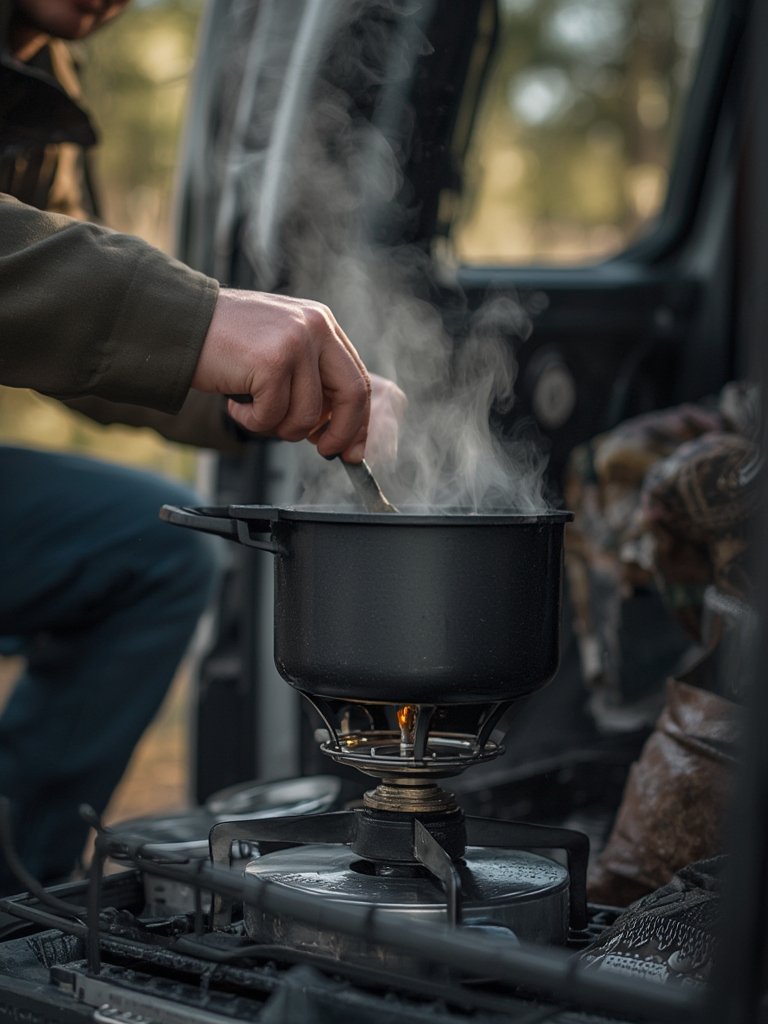
Cooking in a van is radically different from campsite grilling. When you’re off-grid, stealth camping, or boondocking in a city, space and ventilation can be dangerously limited. I learned as soon as I attempted to stir-fry in a converted cargo van outside Salt Lake City—one whiff of burned onions, and suddenly stealth mode was compromised. A good van camping stove adapts to tiny spaces, doesn’t reek up your van, and handles both breakfast lakeside and evenings parked discreetly in town. According to recent market research, nearly 29.38% of portable stove usage comes from camping and van life trends projected for 2025, with stealth-camping-friendly options gaining ground.
Top Features to Look for in a Camp Stove for Van Life
After years of trial and error, I focus on three features when picking the best camp stove for van dwelling: safety, compactness, and fuel flexibility. Here are my main criteria for a mobile kitchen stove that doesn’t get left behind or fail at the worst moment:
- Adjustable flame, low BTU output: Stoves with lower max BTU (under 10,000 per burner) allow safer cooking inside, and adjustable flames make simmering possible instead of just boiling everything.
- compact and foldable: Under 2 pounds and under 10 by 10 inches stowed, so you can pack it with your backpacking cookware set or slip it under a bench seat.
- Multi-fuel or propane/butane compatibility: fuel availability is unpredictable on the road; multi-fuel stoves now account for 45.6% of the segment (Data Bridge), supporting both campsite cooking and urban stealth meals.
- Physical safety locks and sturdy design: Flimsy builds tip over easily in a moving van; integrated locks prevent fuel leaks during transit.
- Dual-use for indoor/outdoor cooking: Some stoves are explicitly rated for indoor-outdoor use, providing more confidence for cooking inside when weather hits.
From firsthand experience (and hard lessons): never travel with a single-purpose or oversized stove if you want to keep your options and storage flexible for both day hikes and weeklong van living.
Product Comparisons: The Best Camp Stoves for Van Life
Let’s compare three standout stoves for van life based on real van use, research, and practicality. Each model is assessed on weight, BTU, portability, safety, and price as available. Cold-weather fuel efficiency and stealth-friendly designs are prioritized, referencing recent market data on rising propane and multi-fuel demand.
| Model | Weight | BTU Output | Dimensions (packed) | Fuel Type | Key Safety Features | Approx. Price | Indoor Approved? |
|---|---|---|---|---|---|---|---|
| GasOne GS-3400P Portable Butane Stove | 1.7 lbs | 8,500 | 8.3 x 6.8 x 3 in | Butane/Propane | Safety lock, adjustable flame | $29 | No (outdoor primary, stealth-friendly) |
| MSR PocketRocket Deluxe | 2.9 oz | 10,200 | 4 x 3 x 2 in | Isobutane-Propane | Piezo igniter, simmer control | $69 | No (but suitable for well-ventilated vans) |
| Jetboil Stash | 7.1 oz | 4,500 | 5 x 5 x 4 in | Isobutane-Propane | Integrated pot support, fast boil | $139 | No (low noise, efficient—campsite ready) |
Pitfalls to avoid:
- Thinking “portable” always means compact—many double burners are far too large for a standard van galley.
- Assuming all stoves are indoor-friendly—most butane/propane stoves require serious ventilation, not just a cracked window.
- Chasing high BTUs when low-and-slow is safer in tight spaces. More is not always better.
- Buying on price alone—quality safety features make the extra $20 worthwhile if you’re living on the road long term.
Propane fuels are dominating for cold climate and efficiency, but real stealth camp cooking still pushes toward isobutane and micro-burners for discretion. As of 2025, the multi-fuel category leads the market, but not every stove is equally practical for van use.
Addressing Ventilation and Safety While Cooking Indoors
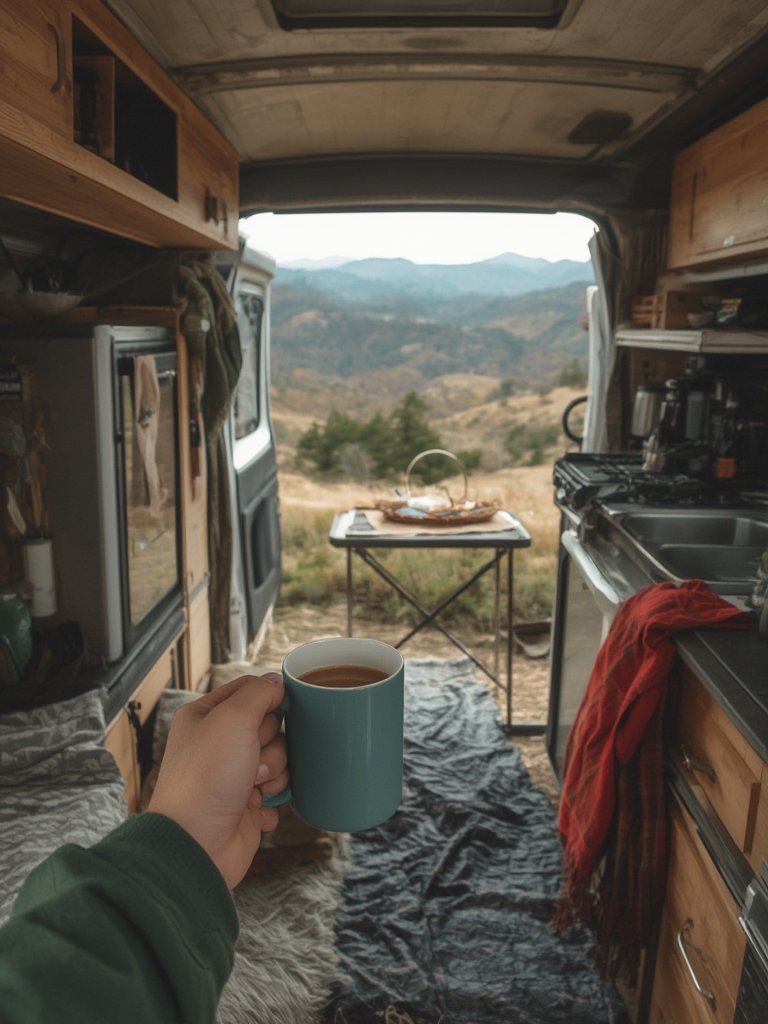
Cooking inside your van can be tempting—pouring rain, icy mountain mornings, or stealth urban camping leave you few choices. But here’s the truth: even stoves marketed for “dual-use (indoor/outdoor)” typically require as much ventilation as possible. Combustion gases (like carbon monoxide) are a real hazard in vans. No portable stove on the market has certified data for safe enclosed use; official testing for odor, noise, and stealth requirements is practically nonexistent (see research).
My rules for safe van cooking:
- Always open multiple windows, roof vents, or doors. Cross-ventilation is critical.
- Install a portable battery or solar-powered carbon monoxide detector—don’t rely on luck.
- Use stoves with integrated safety locks and never leave the burner unattended, especially in motion.
- If you must cook stealthily in a city or in poor weather, keep flames low, focus on meal prep that creates less steam or odor, and avoid frying anything that lingers.
For truly versatile setups, look for “dual-use” stoves that at least advertise indoor compatibility, but remember: manufacturers still leave safety up to the user. The market data confirms a gap here—no models tested specifically for stealth, indoor odor, or noise impacts. Use extra caution when relying on third-party reviews or user forums—manufacturers rarely cover liability for indoor use scenarios.
I recommend combining your stove with a quality insulated mug for a safer and more comfortable morning routine on the road.
Common Questions About Van Life Cooking & Stoves
What camp stove is best for cooking inside a van?
There isn’t a truly “safe” camp stove for indoor van use unless it’s specifically rated and equipped with ventilation support. Compact butane models with safety locks and adjustable flame controls are the least risky for quick, light cooking. Always prioritize ventilation and never cook in a fully closed space.
How do I ensure proper ventilation while using a camp stove indoors?
Crack at least two windows or open a door and use a roof vent if available. Install a portable carbon monoxide detector. Small USB fans can help increase airflow if weather prevents opening everything up.
Are there any dual-use stoves that work well for both campsite and stealth cooking?
Some modern compact stoves advertise indoor/outdoor or “dual-use” claims, but always double-check actual safety ratings. Lightweight, foldable, multi-fuel stoves with good flame control do best for site cooking and stealthy urban meals.
What safety features should I look for in a camp stove for van life?
Look for physical safety locks on the ignition and fuel canister, wide non-slip bases, wind guards, and flame adjustment. Piezo ignition is nice but doesn’t replace a manual option if battery-powered lighters fail.
How can I maintain fuel efficiency while cooking in my van?
Use lids on all pots, cook low-and-slow, and select stoves with precise flame adjustment. Try to batch meals (cook extra for leftovers) and avoid “just boiling water” for every meal. Recent eco-stoves from MSR and Jetboil promise higher efficiency per gram of fuel.
Conclusion
Your camp stove is the backbone of van life comfort, directly impacting safety, meal variety, and storage space. Research shows the compact, multi-fuel segment is growing fast, with the best choices combining reliable safety features, adjustable low BTU flames, and packable designs. Don’t compromise—test and evaluate each model for your real environment, and always prioritize safe ventilation, even if your setup claims to be dual-use. For your next adventure, check out my top picks above or explore more camp stove for van life options on Amazon. Safe travels and happy cooking!