

Best collapsible cookware camping isn’t just a trendy topic—it’s a daily reality for anyone who’s made breakfast in a misty Utah canyon, whipped up pasta parked by the Pacific Coast, or struggled for space steaming veggies at 10,000 feet in the Colorado mountains. When every inch counts, and you want real meals in real places, space saving camp cookware solutions are the difference between a cramped mess and a joyful, functional van kitchen.
Key Takeaways
- The camping cookware market is booming, with collapsible cookware saving 40–70% more space—ideal for van dwellers and backpackers.
- Durability and seam failures are real issues—about 15–20% of silicone cookware gets returned, so smart buyers choose quality over hype.
- Van lifers need to care about pack size, noise reduction, and heat performance, not just weight or trendiness.
Table of Contents
Market Overview of Collapsible Cookware
Collapsible cookware is no longer a novelty—it’s a key gear trend for van lifers, backpackers, and anyone craving a minimalist camp kitchen. As of 2025, the camping cookware market is projected to soar to USD 6.72 billion by 2035 with a solid 6.4% annual growth rate, largely fueled by a generation chasing space-saving camp cookware for their #VanLife dreams. North America alone eats up about 38% of that market. From compact silicone pots to fold-flat frying pans, the top collapsible cookware sets now lead the pack for both space and functionality.
The draw? Massive storage reduction—top sets pack down to less than half the size of traditional options, letting you squeeze a full cookset into a single drawer or nook.
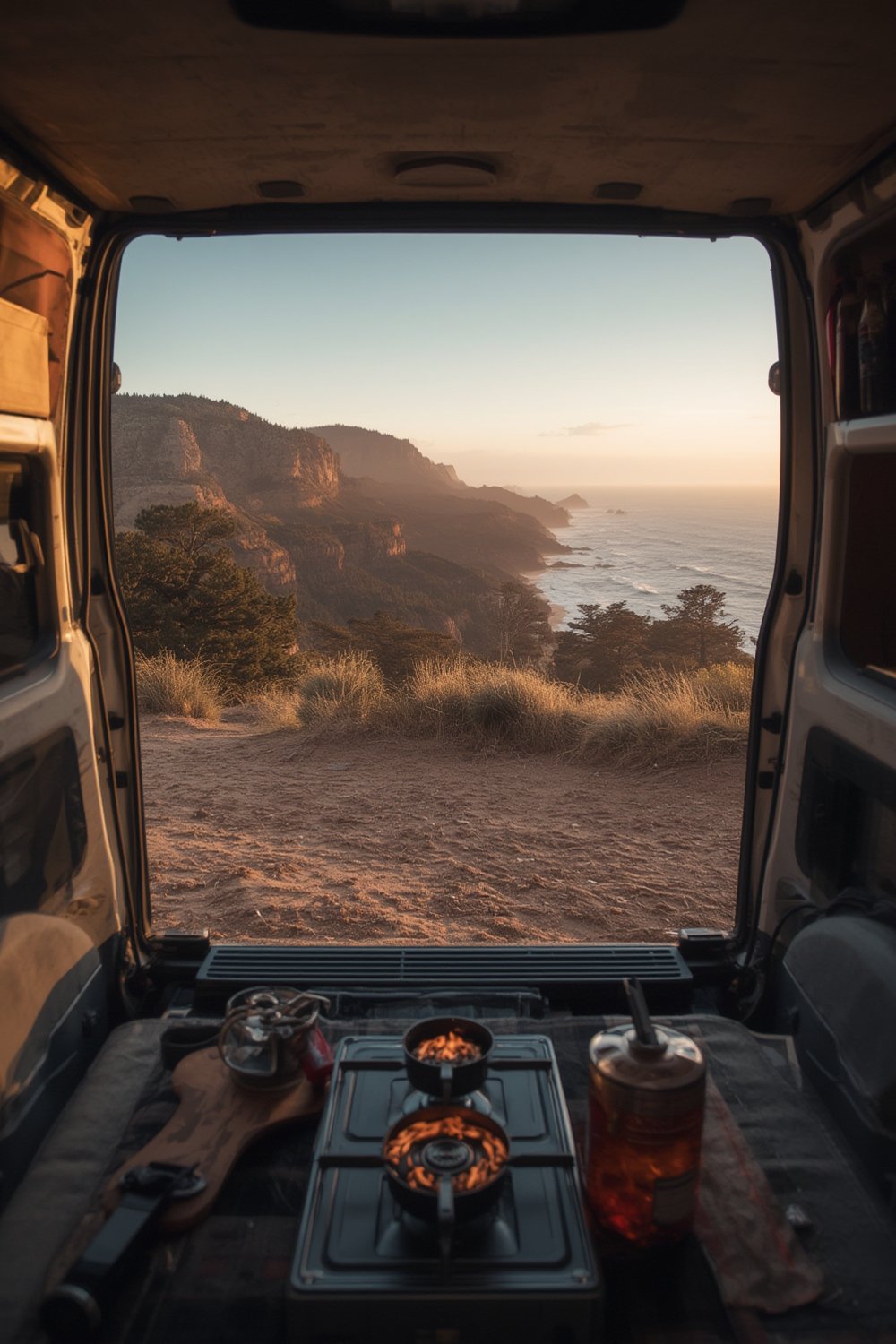
Real User Insights on Collapsible Cookware
After hundreds of camp meals on the road—plus late-night Reddit scrolls—I noticed a clear pattern among van dwellers and serious weekend campers. The biggest headaches with folding camping cookware show up after ten to twenty uses: seam leaks, odd flavors, silicone rings that never quite seal again.
It’s not just anecdotal; user returns run 15–20% for big-name silicone sets due to seam failures and durability issues. I’ve experienced a GSI silicone pot leaking on a mountainside after two months, and watched a buddy wrestle with a stuck folding handle on the Pacific Coast Highway. Easy storage meets reality fast—especially with high-heat cooking or daily use.
Backpackers also report issues with oily residues clinging to nonstick silicone, and mildew if you toss pots into humid van storage without a thorough scrub. Rattling sounds from lightweight sets can be a surprise bonus—if you don’t secure your pots before driving rough roads, expect background percussion. These problems are real but avoidable with the right set and a bit of practical care.
Overlooked Features in Expert Reviews
If you’ve read big review sites like OutdoorGearLab or Wirecutter, they cover weight and pack size but gloss over details that matter for van users. Here’s what they often miss:
- Heat performance: Most reviews stop testing at 10,000 BTUs. But in van kitchens, stoves often run hotter, creating warping, seam splits, and uneven cooking.
- Nesting footprint: Collapsible doesn’t always mean “stackable.” Some sets expand or shift after first use, hogging more drawer space than their specs promise.
- Impact on food taste: Silicone pots infuse rubbery or chemical notes into acidic dishes—think tomato pasta or curries. Stainless and aluminum avoid this, but add weight.
Sites like REI Co-op offer solid starter guides, but rarely test how cookware stands up to months of highway vibrations or 50-plus folding cycles typical in van life.
Top-Selling Collapsible Cookware Sets Comparison
Let’s talk numbers. Here’s how the best packable camping pots and pans for van dwellers compare—for space, weight, and real-world material choices:
| Product/Set | Weight | Packed Dimensions | Capacity | Price Range | Materials |
|---|---|---|---|---|---|
| GSI Outdoors Pinnacle Camper | 1.9 lbs | 5×8 in | 2–3L | $80–120 | Anodized aluminum, silicone |
| Sea to Summit X-Pot 2.8L | 12 oz | 5.5×2.4 in | 2.8L | $45–60 | Silicone walls, aluminum base |
| MSR Flex 4 System | 2.1 lbs | 5.5×6 in | 1.5–3.5L | $150–200 | Hard-anodized aluminum |
| Snow Peak Titanium | 4 oz | 4×2 in | 0.9L | $60–100 | Pure titanium |
Space saving camp cookware sets claim up to 60% less packed volume—a big win in a van galley or backpack. If you want even more detail, check out our GSI Outdoors Cookware Review for side-by-side field tests.
Van Life-Specific Challenges and Solutions
Here’s where it gets real—van cooking isn’t a showroom test. Every inch matters, and every clatter is ten times louder on a remote night. Collapsible cookware hits two major van life targets:
- Minimize noise: Look for anti-rattle features. Lids and handles that click in place, or an elastic band that keeps things stacked tight. Some users even strap pans to van walls or tuck sets inside collapsible bowls (like our top picks in the foldable camping bowl guide).
- Optimize space: Top sets, such as Sea to Summit X-Pot, shrink to 30–40% of their expanded size—letting you fit an entire kitchen in a single drawer. Actual measured savings are up to 70% versus steel pots. For solo or duo van dwellers, that’s a real difference.
One overlooked benefit is multi-use. Many collapsible pots double as storage containers—saving even more space. If your focus is on efficient van kitchen setups, our camp cookware for van life guide explores tricks to combine gear while keeping weight under 2 lbs per set.
Durability and Longevity of Collapsible Cookware
The question I hear most isn’t, “How light is it?” It’s, “Will it last a year in my van?” Here’s what honest data and field use say about the durability of collapsible cookware:
- High heat kills silicone—fast. Exposure to more than 10,000 BTUs cracks seals in 20–30% of cases. If you have a high-powered van stove, use only low-medium settings or get an all-metal set.
- Physical fatigue is real. Folding pots 50–100 times (or driving Gemini Bridges Road) weakens seams. Average use yields 1–3 years of life for quality sets. Cheaper silicone rips or detaches well before you hit 200 folds.
- Hand-washing matters. GSI and similar high-end sets last longer if you avoid dishwashers and abrasive scrubbing—expect up to 100+ cycles if you’re gentle.
- Titanium trumps all, but rarely collapses. If you want indestructibility, a pure titanium pot (like Snow Peak) will outlast your van—though you’ll sacrifice compactness.
The bottom line: buy for your usage level, not just the brand. For more on material choices, our silicone camping cookware guide compares flexible options for van kitchens.
FAQ: Collapsible Cookware for Camping
What are the benefits of using collapsible cookware for camping?
Collapsible cookware is lightweight and folds down to a fraction of its size—perfect for small van galleys or dense backpack setups. You’ll get 40–70% more free space and less rattling in transit. Many sets double as storage containers, enhancing usability for one-pot meals and tight storage.
How do I clean my collapsible camping cookware properly?
Let your cookware cool first, clean with mild soap and a soft sponge, and avoid harsh abrasives. Dry completely before folding and storing—trapped moisture can promote mildew. Silicone attracts oil, so an occasional baking soda scrub helps avoid odors.
Are silicone pots safe for high-heat cooking?
Most silicone camping cookware is rated for up to 400–450°F, but repeated high-BTU exposure can crack seals or cause warping after 10–20 uses. Stick to medium heat for boiling, and never place silicone directly over open flame. If you run a high-powered van stove, hard-anodized aluminum or titanium is a safer bet.
How do collapsible pots compare to traditional camping cookware?
Collapsible pots save significant space and weight, but may trade off heat distribution and long-term durability. Traditional pots offer better performance at high heat, and no risk of seam failure—but eat up much more space. Choose based on your storage needs and cooking style.
Can I cook acidic foods in silicone cookware without issues?
You can, but be aware that some users report a slight off-flavor in acidic dishes like tomato sauce after extended use. Premium silicone minimizes this, but steel or titanium avoids it entirely. Cooking short, simple meals helps reduce flavor transfer.
Conclusion: Why Collapsible Cookware Wins for Van Life
If you want to cook real meals while living compact—without a rattle-trap kitchen or frustrating messy stack—collapsible cookware is the upgrade your van camping setup needs. Space-saving designs mean you can go from minimalist to gourmet without sacrificing the freedom of the road. Just remember: the best collapsible cookware camping options blend fold-flat convenience, field-tested durability, and quiet, secure storage for your unique van or trail lifestyle.
Ready to streamline your van kitchen or backpack setup? Browse our top collapsible cookware picks on Amazon—and cook like a pro, wherever you park tonight.

Step-by-Step Guide: Choosing and Using Collapsible Cookware
Upgrading to quality collapsible cookware isn’t just about buying a flashy set online—it’s about fitting the right tools to your adventure and making your van life or backpack setup effortless.
- Audit your storage space. Measure your van drawer or backpack pocket. Know your cube limits before picking a set. Remember—packed size is everything, not just weight.
- Pick for your heat source. If you use a high-BTU stove (over 10,000 BTUs), favor hard-anodized aluminum or titanium. For lower-heat backpacking stoves, silicone-aluminum hybrids are safe and save more space. Learn which stoves suit your cooking style with our van camping stove guide.
- Go for secure stacking and closure. Check for nesting lids, secure bands, or built-in elastic to avoid rattling—especially if you drive long gravel tracks. You’ll thank yourself at midnight on a bumpy Colorado forest road.
- Test for cleaning and odor resistance. Scrub with mild soap, rinse, and dry completely open. Don’t fold wet pots—mildew loves hidden seams.
- Track folding cycles. If a seam starts flexing unevenly or a handle feels loose, retire that piece before a trail-side leak ruins dinner.
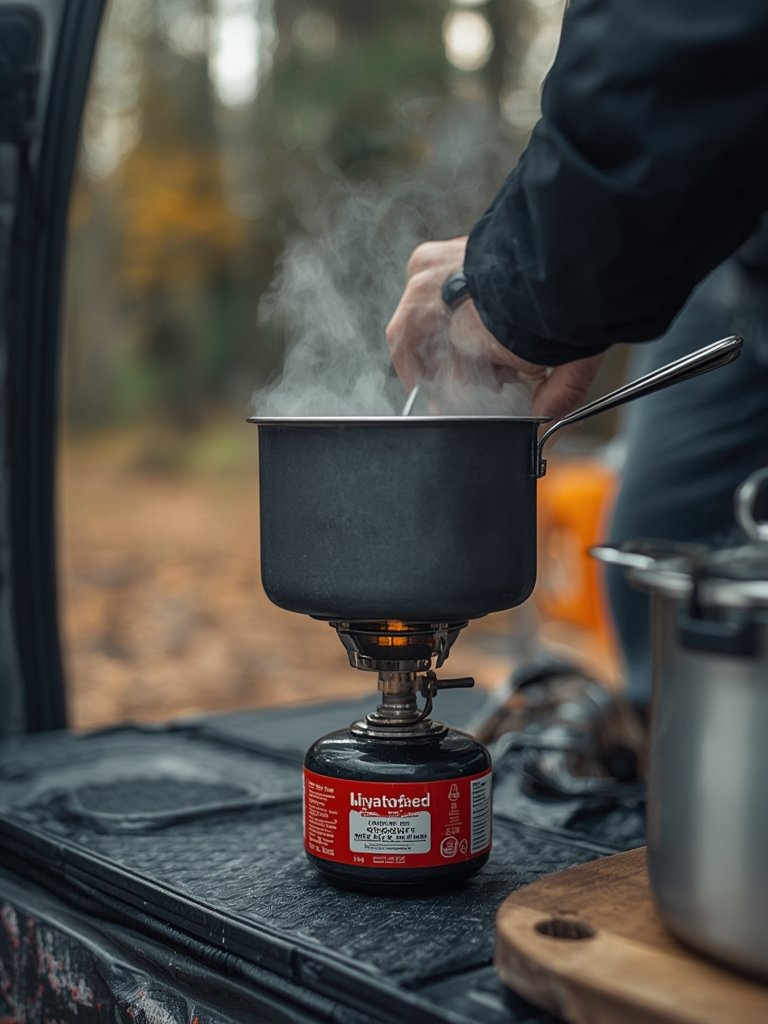
If you want to see material pros, cons, and how different sets hold up under real-world camp conditions, browse our backpacking cookware set guide.
—